Commercial Concrete Services in Newcastle: How to Choose the Right Contractor for Your Project
Choosing the right contractor for a commercial concrete project in Newcastle, NSW, can directly affect the long-term performance and safety of your site. This guide covers the key questions to ask, compliance requirements, how project scale shapes your choice, and what makes Newcastle unique when sourcing commercial concrete services.
What Makes Commercial Concrete Projects Different From Residential Work?
Commercial concreting involves far greater demands than a standard driveway or home slab. Surfaces must handle heavy vehicle traffic, machinery loads, and continuous foot traffic without failing prematurely. The stakes are higher, the budgets are larger, and the regulatory requirements are more detailed.
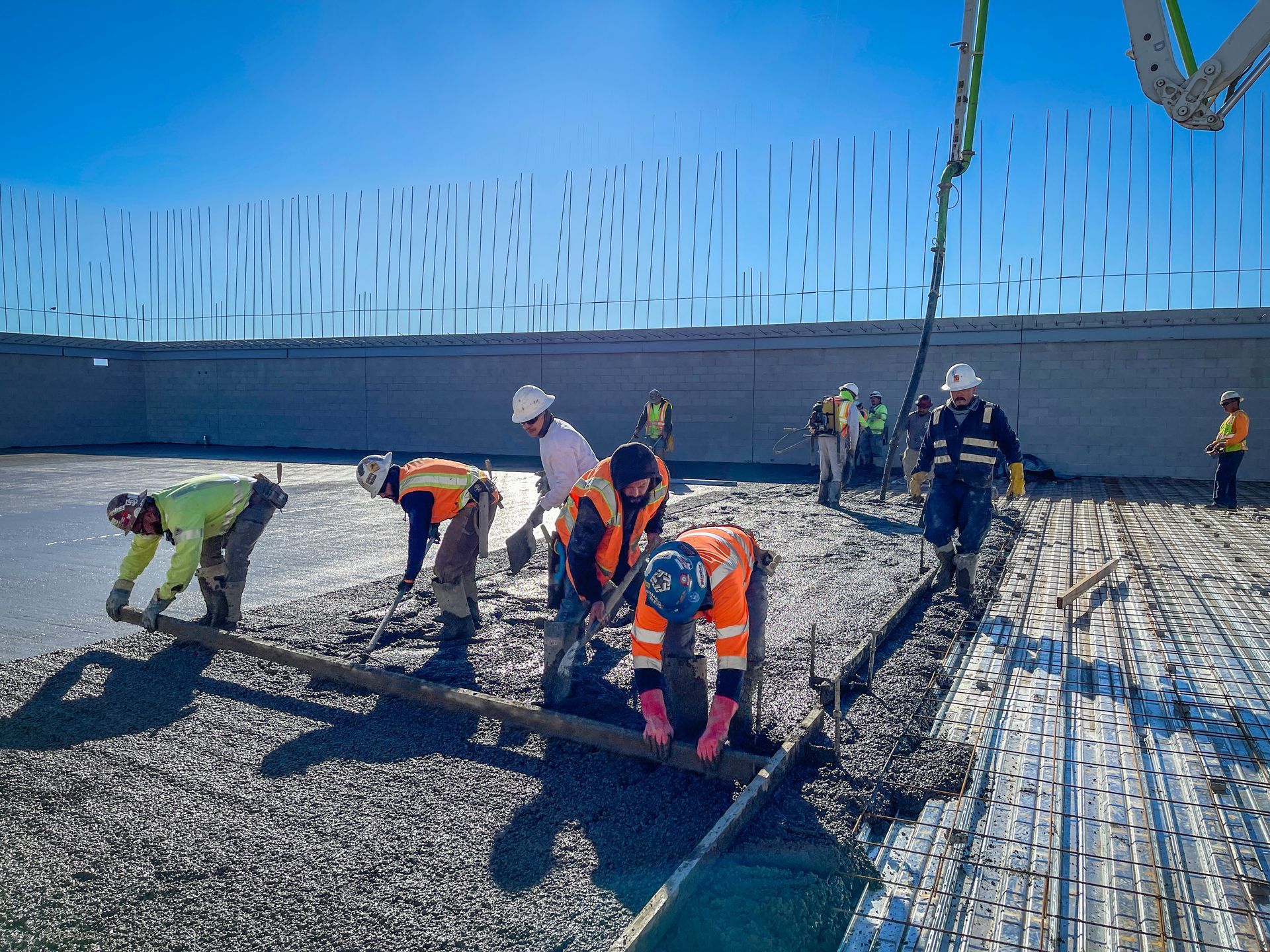
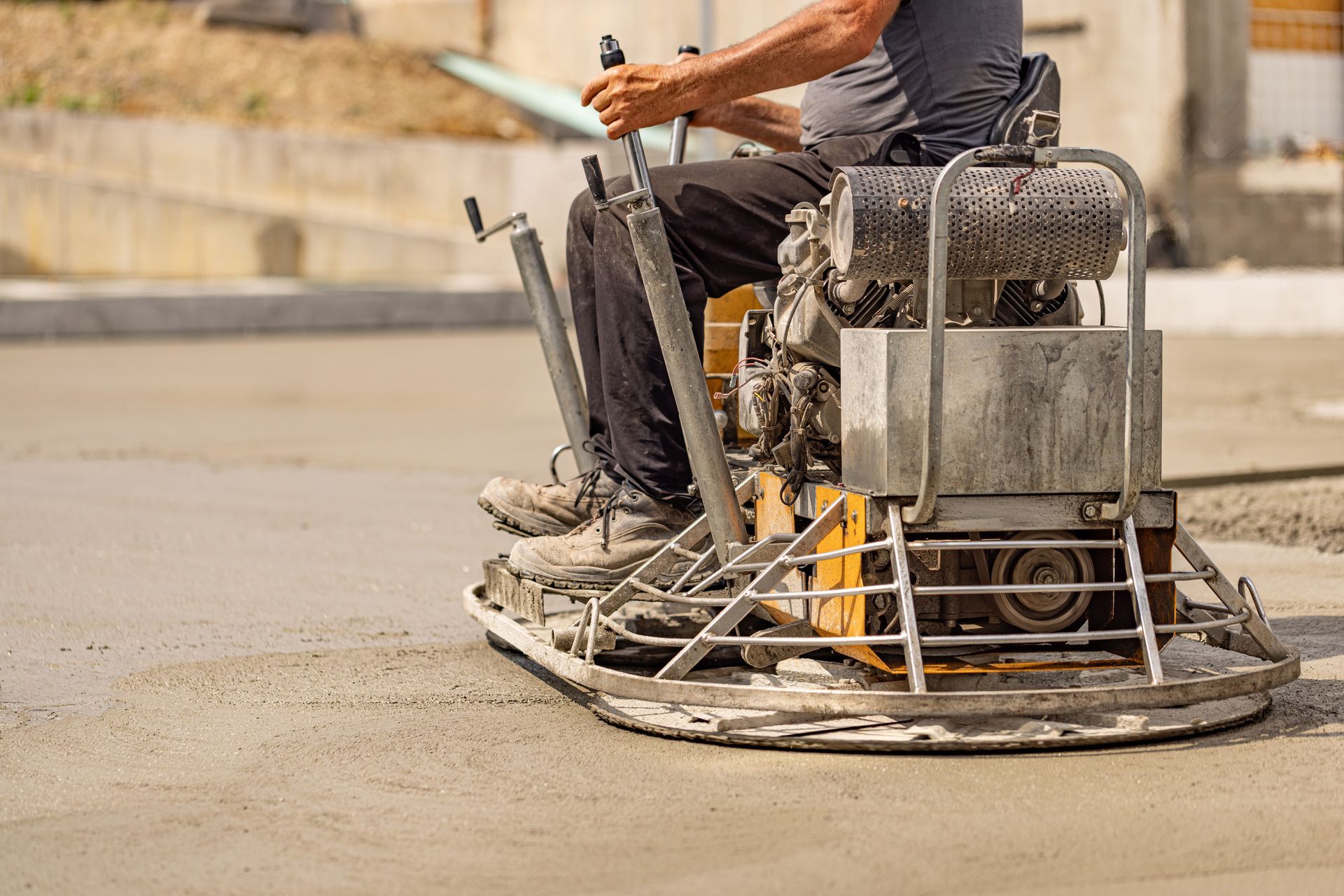
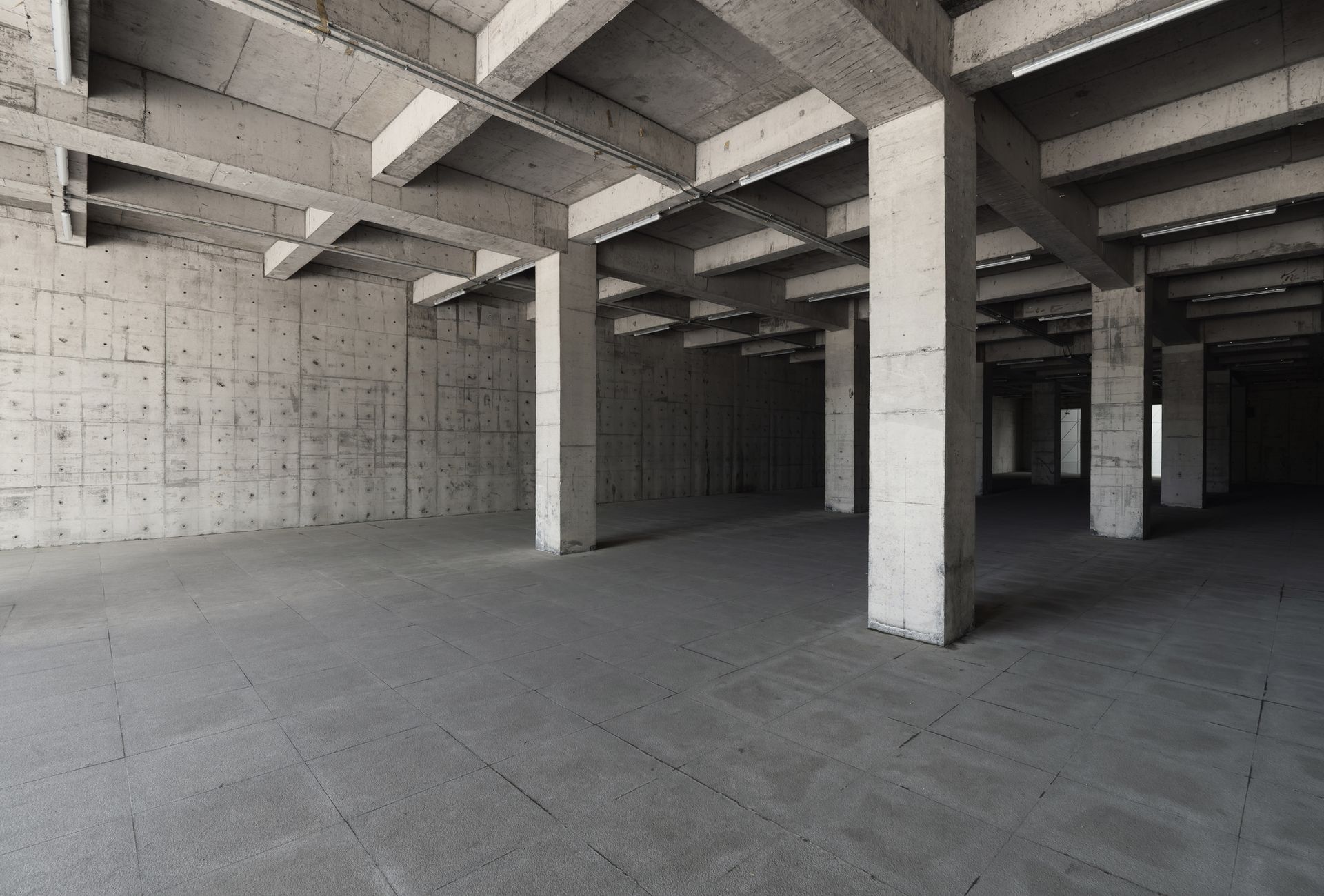
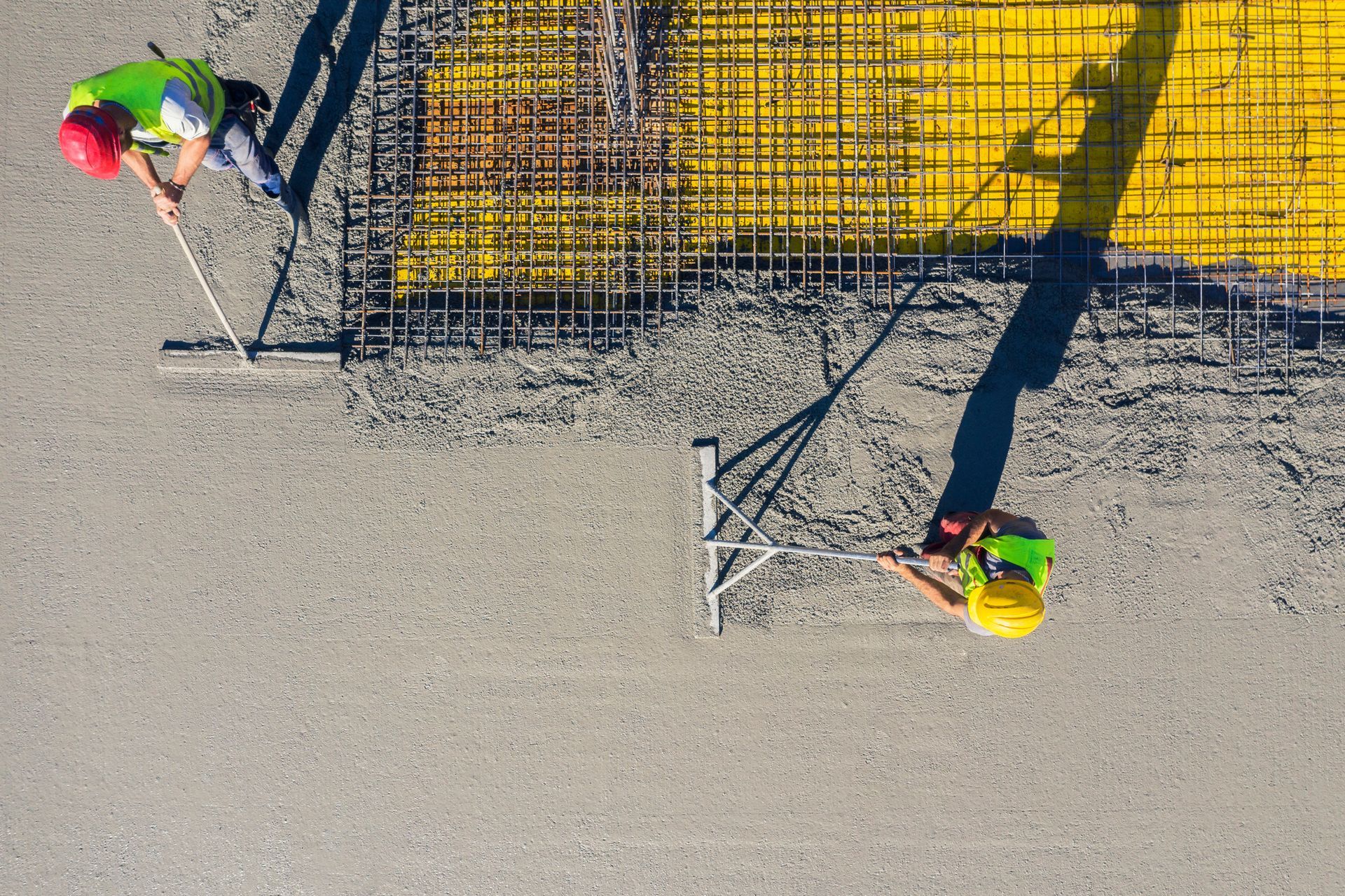
Commercial concrete services typically span car parks, warehouse slabs, industrial shed floors, cool room floors, and top-dressing floors. Each application calls for specific concrete mixes, correct reinforcement, and proper curing. A contractor without direct experience in these project types may lack the technical knowledge to deliver a compliant and durable result.
Key Questions to Ask a Commercial Concreting Contractor
Asking the right questions before signing any agreement can save significant time and expense. Consider asking:
- Can you provide references from completed commercial or industrial projects of a similar scale?
- Does your team handle all stages in-house, including excavation, formwork, pouring, and finishing?
- Are you a member of a recognised industry body such as the Master Builders Association (MBA)?
- How do you manage site safety and quality control at each stage?
- Can you show proof of insurance and relevant licences?
A contractor who subcontracts multiple stages introduces extra coordination risk. An in-house team managing everything from site preparation through to final finish offers greater accountability. When comparing providers of commercial concrete services in Newcastle, this distinction matters considerably.
Compliance and Standards You Should Know About
The key standard for commercial concrete work in Australia is AS 3600, covering structural design, materials, durability, and reinforcement detailing. Commercial applications typically require a minimum concrete strength class of N32, though specific conditions may call for higher grades.
In Newcastle, commercial development that goes beyond exempt work will generally require a Development Application (DA) submitted to the City of Newcastle. Your contractor should be familiar with this process. Confirm they can demonstrate knowledge of the National Construction Code (NCC) as it applies to concrete structures, and ask directly how they ensure AS 3600 compliance.
Should I Ask for Proof of Licences and Insurance?
Yes, always request proof before work begins. In NSW, contractors performing structural or commercial concreting work need appropriate licensing. Public liability insurance protects you if something goes wrong on site. A contractor reluctant to provide documentation is worth avoiding.
How Project Scale Affects Your Choice of Contractor
Not every concreting business is equipped for large-scale commercial work. A contractor focused on residential driveways may lack the equipment, crew size, or project management experience required for a warehouse floor or multi-bay industrial facility.
For larger projects, look for a contractor who operates with in-house machinery, has an experienced crew capable of managing concurrent tasks, can clearly explain their project management process, and has a demonstrable track record on comparable commercial projects.
Smaller commercial concrete services, such as a shop fitout slab or modest car park, may be well within the capability of a mid-sized local contractor. The key is matching the contractor's track record to the genuine demands of your project.
Newcastle-Specific Considerations for Commercial Concreting
Newcastle's coastal location and proximity to the Hunter Valley mean local contractors must account for specific environmental and site conditions.
The coastal environment increases the rate of concrete deterioration if the correct mix and cover requirements are not used. AS 3600 durability provisions classify coastal exposure as higher risk, requiring appropriate minimum cover and water-to-cement ratios. Suburbs such as Merewether, Newcastle East, and Stockton face more aggressive corrosion conditions than inland locations like Cessnock or Maitland.
Clay-heavy soils in many Newcastle suburbs also require careful site preparation. Inadequate compaction beneath a commercial slab can lead to differential settlement and cracking, even when concrete is mixed and poured correctly. A contractor with genuine local experience will know which sites carry higher soil risk and plan accordingly.
The Hunter Valley's summer heat can also affect concrete curing. High temperatures during pours require appropriate curing methods to prevent surface cracking and strength loss.
Do Newcastle Commercial Projects Always Need a Development Application?
Not always, but many do. Exempt development provisions allow some smaller works to proceed without a DA, but commercial construction typically falls outside those provisions. Check with the City of Newcastle or a qualified certifier before work begins.
What Should I Look for in a Quote for Commercial Concreting?
A well-structured quote should detail the scope of work, concrete specification and strength class, reinforcement details, site preparation methodology, project timeline, and payment terms. Vague quotes lacking technical detail can signal a contractor who has not fully assessed the job. Compare quotes on what is included, not just the bottom-line figure.
Ready to Request a Quote for Your Commercial Project?
Candian Concreting is a Member of the Master Builders Association with decades of experience delivering commercial concrete services across Newcastle and the Hunter Valley. To discuss your project and request a free quote, visit the commercial concrete services page or get in touch directly. Call 0414 683 109 to speak with the team today.